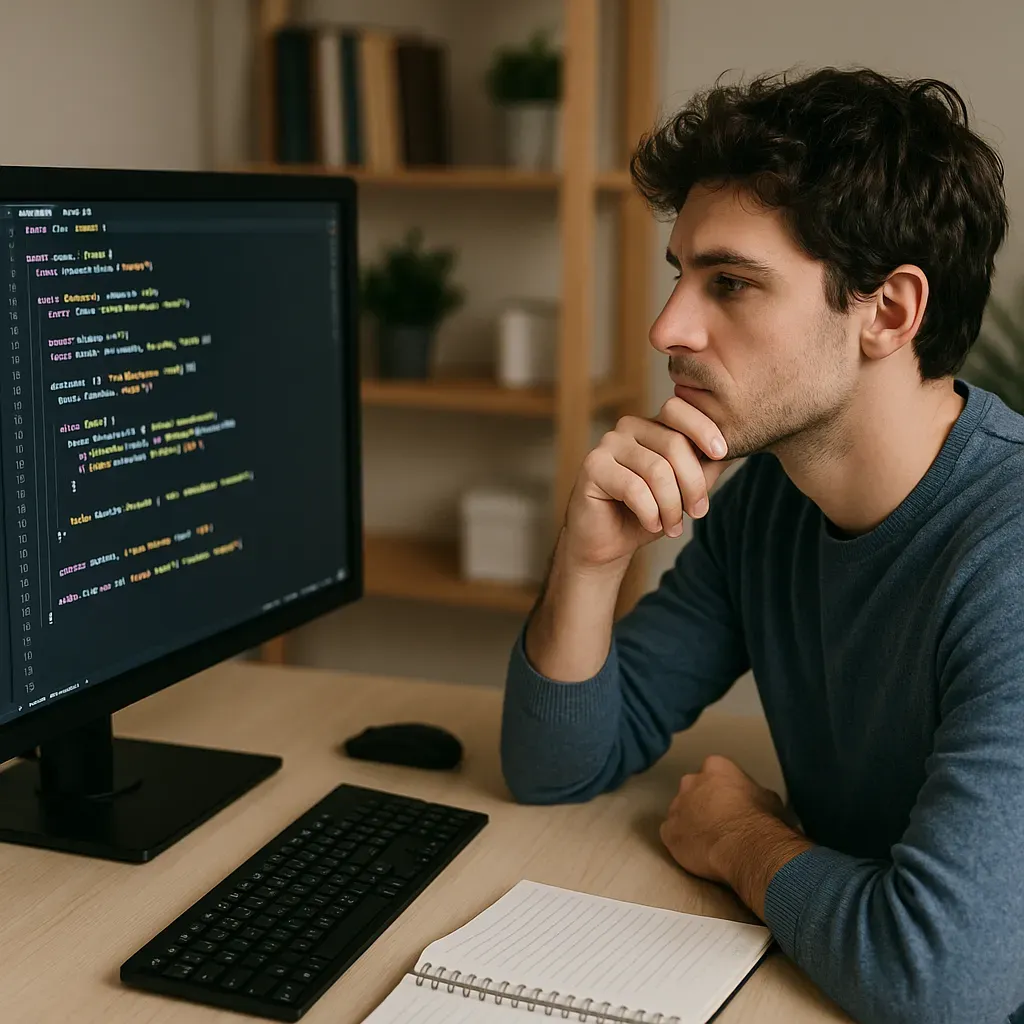
AI prompts for Python can make learning Python more interactive and easier for beginners. This approach allows beginners to engage interactively with the programming language, making the learning process more effective and enjoyable. In this article, we’ll explore how to use AI prompts to learn Python step by step, providing practical examples and tips along the way.
Understanding AI Prompts for Python
AI prompts are input cues you provide to an AI tool to generate responses, code snippets, or explanations. When learning Python, these prompts can help you seek guidance on specific topics, get code examples, or clarify programming concepts.
Step 1: Set Up Your Learning Environment
Before diving into learning Python with AI prompts, ensure you have a suitable environment set up.
-
- Install Python: Download and install the latest version of Python from the official website.
-
- Choose an IDE: Select an Integrated Development Environment (IDE) like PyCharm, Visual Studio Code, or Jupyter Notebook. These tools will help you write and execute your Python code easily.
-
- Familiarize with AI Tools: Sign up for an AI tool that allows interaction through prompts, such as GPT-based platforms or online coding assistants.
Step 2: Start with the Basics
Begin your Python learning journey by understanding basic concepts such as variables, data types, and control structures.
Use AI prompts for Python to clarify concepts by asking questions like:
-
- “Explain variables in Python.”
-
- “What are lists in Python? Provide an example.”
-
- “Show me a simple example of a conditional statement.”
These prompts will yield clear explanations and basic code examples that you can run in your IDE to see how they work.
Step 3: Practice with Code Snippets
Once you grasp the fundamentals, practice is essential. Use AI prompts to generate small code snippets for practice.
For example:
-
- “Write a Python function that checks for even numbers.”
-
- “Create a loop that prints numbers from 1 to 10.”
-
- “Generate code for a simple calculator (addition only).”
After receiving the snippets, modify them slightly to deepen your understanding. Experiment by changing variables or adding new features.
Step 4: Explore Libraries and Frameworks
As you become comfortable with basic concepts, it’s time to explore Python libraries that extend functionality, such as NumPy for numerical computation or Flask for web development.
Prompt the AI with specific requests, like:
-
- “What is NumPy? Provide an example of its usage.”
-
- “How can I create a simple web app using Flask?”
This exploration not only broadens your knowledge but also shows you how to implement libraries into your projects.
Step 5: Build Small Projects
Building projects is one of the best ways to solidify your Python skills. Use AI prompts to guide you through project ideas and implementations.
-
- “Suggest a small project for a beginner in Python.”
-
- “Help me design a simple to-do list application.”
-
- “Give me a step-by-step guide for creating a number guessing game.”
As you work on your projects, continuously use AI for troubleshooting or to seek advice on best practices and optimizations.
Common Mistakes to Avoid
While using AI prompts to learn Python, beginners often encounter some common pitfalls:
-
- Ignoring Documentation: Relying solely on AI without referring to official Python documentation can hinder deeper understanding.
-
- Overlooking Error Messages: When errors occur, use prompts to ask for clarification on the error message rather than simply moving on.
-
- Not Experimenting Enough: Modifying code examples is crucial. Don’t just run the provided code; tweak it and see what happens.
Conclusion
Using AI prompts for Python offers an interactive and hands-on approach that can enhance your learning experience. By setting up your environment, focusing on the basics, practicing code snippets, exploring libraries, and building projects, you can make significant progress. Remember to stay curious, experiment regularly, and seek clarification whenever needed. With persistence and the right tools, mastering Python is within your reach.
FAQs
1. Do I need prior programming experience to learn Python with AI prompts?
No, Python is beginner-friendly, and AI prompts can help clarify concepts as you learn.
2. How often should I practice coding in Python?
Practice as often as possible. Try to code daily, even if it’s just for 20-30 minutes.
3. What are some popular AI tools to use for learning Python?
Some popular AI tools include OpenAI’s language models or specific coding assistants available online that can provide real-time programming help.